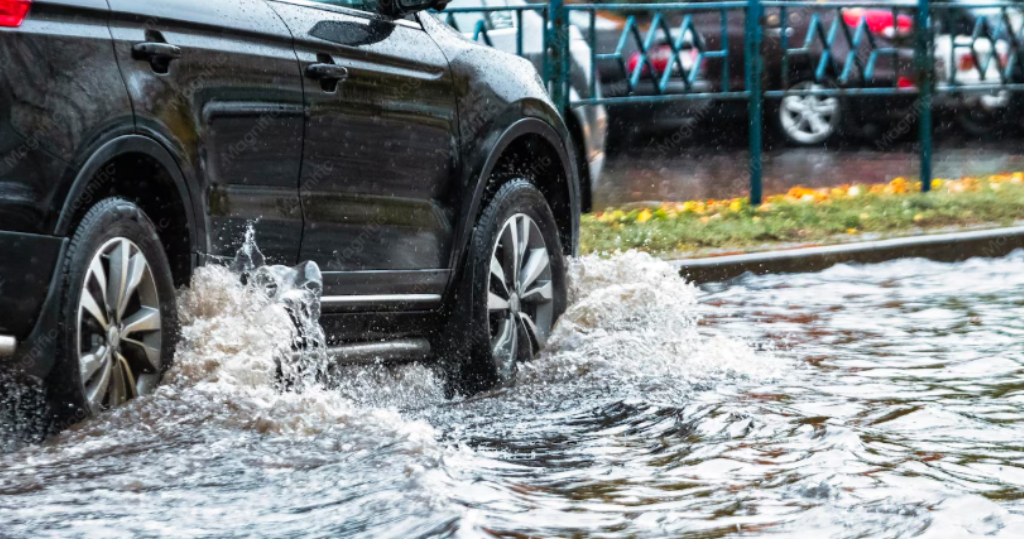
Driving through flooded streets can trap inside your vehicle’s mechanical systems, causing severe internal friction. When heavy rain submerges your car, the most critical area to inspect is the engine crankcase. Spotting water in engine oil symptoms early is essential to protect your vehicle from permanent mechanical failure. If moisture mixes with the lubricant, the oil loses its ability to protect moving metal components, leading to costly failures. Recognising the warning signs right away lets you take action before turning the key. This comprehensive guide explains how to identify engine oil contamination after flood conditions and outlines when to seek professional car engine water-damage repair to safely restore your vehicle’s performance.
How Water Enters Your Engine During a Flood
An internal combustion engine is built to be completely sealed against external elements, but it is not designed to be submerged. When floodwaters rise, or you drive through a deep puddle, water can find its way into the oil system through several vulnerable entry points:
- The Air Intake System: This is the most common path. If water rises high enough to reach the air filter housing, the engine can suck water directly into the cylinders.
- The Oil Dipstick Tube: The seal on a standard dipstick is meant to keep splashes out, but it cannot withstand standing water pressure if the engine bay is submerged.
- The Crankcase Ventilation System: Engine breathers and ventilation valves offer a direct path for water to leak into the oil pan when submerged.
- Damaged Seals and Gaskets: Older or worn engine gaskets can allow water to seep inside if the vehicle sits in deep water for a long period.
Key Signs of Water Contamination in Engine Oil
Detecting water contamination does not require advanced laboratory equipment. You can easily spot the physical changes in your oil by performing a few simple visual checks.
1. The Milky “Milky Coffee” Appearance
The most obvious sign of contamination is a dramatic change in the oil’s appearance. Pure engine oil is dark brown and completely clear. When water mixes with oil and gets agitated by engine rotation, it creates an emulsion.
Pull out your dipstick and look at the fluid. If the oil looks like chocolate milk, a creamy latte, or has a thick, cloudy texture, you are dealing with classic water in engine oil symptoms.
2. White Sludge Under the Oil Filler Cap
Sometimes the oil on the dipstick looks normal, but moisture has started evaporating and collecting at the top of the engine. Twist off the oil filter cap and inspect the underside. If you see a thick, white or yellowish milky foam stuck to the cap, you have clear evidence of engine oil contamination after flood conditions.
3. Elevated Fluid Levels on the Dipstick
Water is denser than oil, meaning it sinks directly to the bottom of the oil pan. If water enters the engine while it is parked, it will push the oil level upward. If you check your dipstick and the oil level reads well above the “Full” mark despite no recent top-offs, the extra volume points to serious engine oil contamination levels rising around your vehicle.
4. Bubbles or Water Droplets on the Dipstick
Inspect the dipstick closely under bright light. If the oil is not fully milky yet, but you notice tiny water beads or clear bubbles clinging to the metal blade, moisture is starting to accumulate inside the system.
The Severe Dangers of Running an Engine with Contaminated Oil
Ignoring these warning signs and driving your car can cause catastrophic damage within a matter of minutes. Water destroys the protective qualities of your lubricant in two major ways:
Loss of Lubrication (Viscosity Breakdown)
Engine oil creates a thin film that prevents metal parts from scraping against each other. Water breaks down this film completely. Without proper lubrication, components like crankshaft bearings, pistons, and camshafts experience extreme friction, creating intense heat that can seize the engine.
The Threat of Hydrolock
Water cannot be compressed like an air-fuel mixture. If a large amount of water enters the combustion chamber through the intake while the engine is running, the pistons will try to compress it and hit a literal wall. This sudden stop forces components to bend or break, resulting in bent connecting rods, cracked pistons, or a completely destroyed engine block.
To prevent this entire chain reaction, booking a professional car engine water damage repair process is the safest way forward.
Steps to Take if You Suspect Water Contamination
If your vehicle has been exposed to high water levels, follow this clear sequence to check the system safely and avoid compounding the damage:
Step 1: Keep the Ignition Off
Never attempt to turn on the engine if your car has been sitting in floodwater. If water is trapped in the cylinders or the oil is heavily contaminated, starting the vehicle can cause instant, irreversible internal damage.
Step 2: Perform the Dipstick and Cap Inspection
Pull the dipstick out, wipe it clean, reinsert it, and check the colour and fluid level. Next, open the oil filler cap to check for any milky residue underneath.
Step 3: Check the Air Filter
Open the air filter box under the hood. If the paper filter element is damp, wet, or covered in mud, water has entered the intake tract and has likely moved deeper into the engine.
Step 4: Drain the Fluid Safely
If you have the tools, loosen the oil pan drain plug slightly. Because water settles at the bottom of the pan, any trapped water will trickle out before the actual oil does. If clear water comes out first, your system is compromised and requires a certified car engine water damage repair specialist.
Restoring Your Vehicle with Smooth Your Drive
Dealing with a flooded vehicle requires precision diagnostics and professional care to ensure no moisture is left behind to cause rust or electrical shorts.
At Smooth Your Drive, we provide expert vehicle care across Gurgaon and Delhi NCR to help you bounce back from flood damage. Our trained technicians specialised in thorough engine inspections, comprehensive fluid flushing, and full mechanical overhauling. We carefully drain all contaminated systems, flush the internal components to remove residual moisture, and replace your filters with high-quality parts to get your vehicle running smoothly again. If your vehicle shows any water in engine oil symptoms, trust our team to handle the technical details safely so you can hit the road with complete confidence.
Frequently Asked Questions
Contaminated engine oil changes from its clean amber color into a thick, milky appearance that closely resembles chocolate milk or a creamy latte.
No, driving with contaminated oil destroys engine lubrication, causing extreme friction, rapid overheating, and potential internal engine damage that requires a full rebuild.
A technician must drain all contaminated fluid, flush the internal engine crankcase with specialised cleaning solutions, and replace the oil filter and engine oil.
A single change might not remove all trapped moisture. A professional flushing process is usually required to clear residual water from tight internal engine galleries.
Check your oil dipstick for a milky texture, look under the oil cap for white foam, and inspect the air filter for dampness or mud.