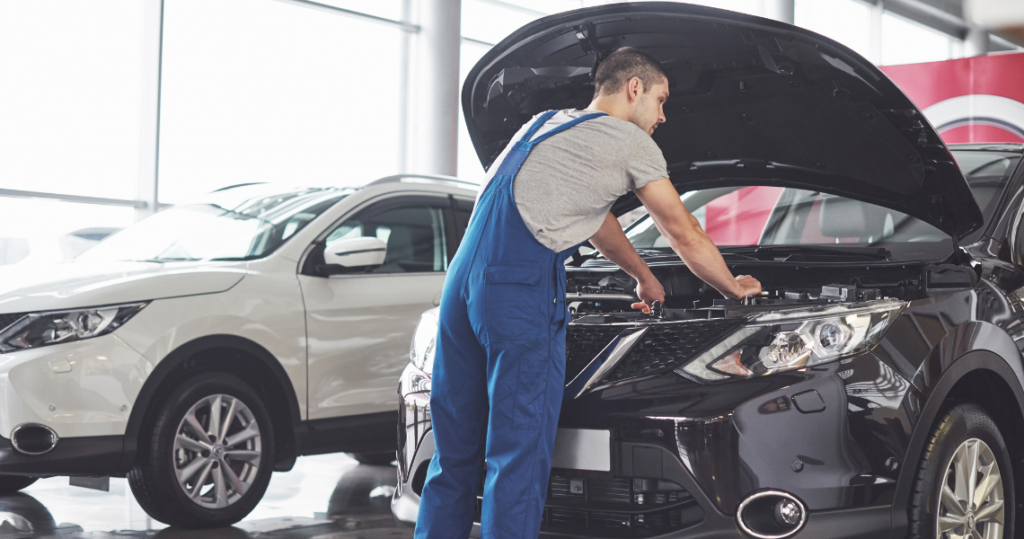
Taking care of your vehicle goes beyond oil changes and tire rotations. Belts and hoses quietly do the heavy lifting, keeping your engine cool, your steering responsive, and your alternator running smoothly every day.
When they fail, things go wrong fast. You could be looking at overheating, sluggish performance, or a repair bill that seriously hurts your wallet. The good news? Most of these failures are completely avoidable with a little attention. With regular belt and hose maintenance, you catch problems early, replace parts on time, and keep your car running smoothly and reliably in every condition on the road.
What are the Main Causes of Belt and Hose Failure
Belts and hoses don’t fail overnight. Heat, pressure, friction, and contamination wear them down gradually, and if you’re not paying attention, a small issue becomes a roadside emergency.
- Heat Exposure
Your engine runs hot, and rubber takes the hit every time. Constant heat exposure makes belts and hoses harden, lose flexibility, and crack over time. Once that happens, failure is only a matter of time.
- Wear and Tear
Every time you drive, these components are under load. Belts can fray or loosen, and hoses weaken from the inside out. It’s gradual, but the damage adds up with every kilometer.
- Fluid Contamination
Oil or coolant leaking onto rubber is bad news. It makes the material swell, soften, or turn brittle, none of which ends well. Even small leaks can quietly destroy nearby components.
- Improper Installation
A belt fitted with the wrong tension or poor alignment wears unevenly. You’ll notice it through noise, slipping, or sudden breakage, all of which are avoidable with proper installation from the start.
- Aging of Materials
Rubber degrades whether you drive daily or rarely. Belts and hoses wear down over time, becoming brittle and more likely to fail, so regular inspection is critical.
What Preventive Steps Should You Take To Maintain Belts And Hoses?
Staying ahead of belt and hose problems isn’t complicated; it just takes consistency and a little attention at the right time. Skip that, and minor wear quietly turns into major trouble. Here’s what actually works.
- Routine Inspections
Check belts for cracks, fraying, or glazing. Inspect hoses for bulges, leaks, or stiffness. Catching these signs early prevents small issues from becoming expensive ones.
- Maintain Proper Tension
Belt tension matters more than most people realise. Too loose and it slips, reducing efficiency. Too tight and it puts unnecessary strain on pulleys and bearings. Set it correctly and perform routine checks to prevent premature wear.
- Fix Fluid Leaks Quickly
Never overlook a small oil or coolant leak; it can lead to serious damage. These fluids break down rubber fast, causing components to weaken and fail sooner than expected. Address leaks the moment you spot them.
- Timely Replacement
Follow your manufacturer’s recommended service intervals; they exist for good reason. Replacing belts and hoses on schedule prevents breakdowns and saves you from far more expensive repairs down the line.
- Monitor Engine Temperature
Keep an eye on your temperature gauge. Overheating doesn’t just damage your engine; it rapidly degrades belts and hoses, too. If temperatures creep up, investigate immediately rather than hoping it settles.
Practical Ways to Maintain Belts and Hoses for Longevity
Small, consistent habits make a real difference in how long your belts and hoses last.
- Check components at every service visit, don’t skip it.
- Listen for squealing or hissing sounds while driving; they’re early warnings you shouldn’t ignore.
- Avoid aggressive driving habits that put unnecessary strain on engine parts.
- Always choose high-quality replacement parts; cheaper options often cost more in the long run.
- Keep your engine bay clean to reduce heat buildup around rubber components.
Regular servicing, including a professional car belt replacement service, ensures everything is installed correctly and performing as it should. These small steps consistently applied add years to your vehicle’s reliability.
Experience Hassle-Free Vehicle Care with Smooth Your Drive
At Smooth Your Drive, we don’t just fix problems; we help you avoid them in the first place. Our technicians conduct detailed inspections at every visit, spotting early signs of wear in belts and hoses before they become bigger issues.
We work with advanced tools and proven techniques, whether it’s a routine check or a full car belt replacement service. Every job is done right, with correct installation and attention to long-term performance.
We’re straightforward with our customers, no unnecessary upselling, just honest advice and quality work. Choose Smooth Your Drive for belt and hose maintenance, and keep your vehicle safe, efficient, and road-ready for years to come.
FAQs
Check them at least every six months or during regular servicing. Even low-mileage vehicles aren’t immune; rubber degrades over time regardless of use.
Squealing noises, visible cracks, fraying, glazing, or reduced alternator and power steering performance are all warning signs worth acting on immediately.
Leaks, swelling, unusual softness, stiffness, or visible cracks all mean it’s time to replace the hose without delay.
No. It risks overheating, steering failure, or complete engine breakdown. Address it without delay.
It prevents failures, reduces repair costs, improves efficiency, and significantly extends your vehicle’s lifespan.