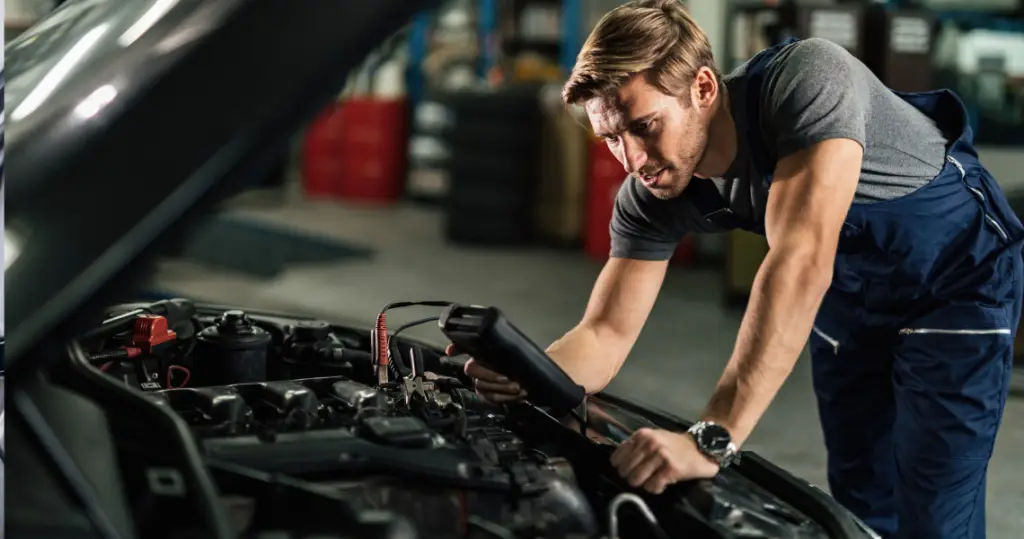
A standard car battery typically lasts between 3 to 5 years. However, this lifespan varies based on your driving habits, local climate conditions, and how well you maintain your vehicle. Factors like extreme temperatures, frequent short trips, and a failing alternator can significantly shorten a battery’s operational life.
Every vehicle relies on its battery to provide the initial surge of electrical current required to crank the engine and power onboard electronics when the engine is off.
Dive through this blog to understand the lifecycle of a car battery and key factors that are responsible for its lifespan.
Understanding the Lifecycle of a Car Battery
Regardless of the type, chemical degradation begins the moment a battery is manufactured. Over time, the internal components naturally wear down, reducing the unit’s capacity to hold a charge. Understanding what influences this timeline allows vehicle owners to maximize their investment and avoid unexpected breakdowns.
Key Factors Influencing Car Battery Lifespan
While the average lifespan ranges between 3-5 years, several external and internal factors are vital:
1. Climate and Weather Extremes
- Extreme Heat: High ambient temperatures accelerate chemical reactions inside the battery, leading to internal corrosion and fluid evaporation.
- Extreme Cold: A battery operating at 0°F (-18°C) roughly half the cranking power it has at 80°F (27°C), forcing it to work twice as hard to start the engine.
2. Driving Habits
- Short Trips: The alternator requires time to replenish the energy lost during engine startup. If your daily drive consists of short trips under fifteen minutes, the battery never reaches a full charge.
- Infrequent Usage: Vehicles left parked for extended periods suffer from parasitic draw, the continuous drain from security systems, clocks, and onboard computers. Without regular driving to recharge it, a stationary battery will eventually self-discharge to a point where it cannot recover.
3. Vehicle Electrical Load
Modern vehicles are mobile computers. Dashcams, advanced infotainment systems, heated seats, GPS navigators, and continuous Bluetooth connectivity place a heavy burden on the electrical infrastructure. If aftermarket accessories are improperly wired, they can drain power even when the ignition is turned off.
Average Lifespan Comparison by Vehicle and Battery Type
| Factor / Category | Average Lifespan Expectations | Primary Impact Level |
|---|---|---|
| Standard Lead-Acid Battery | 3 to 5 Years | Moderate baseline durability |
| AGM / Start-Stop Battery | 4 to 7 Years | Enhanced cyclic endurance |
| Hot Southern Climates | 2 to 3 Years | Accelerated chemical degradation |
| Cold / Moderate Climates | 4 to 5 Years | Reduced cold-cranking efficiency |
| Frequent Short Commutes | 2 to 3 Years | Chronic undercharging and sulfation |
| Regular Highway Driving | 4 to 6 Years | Optimal charging cycles maintained |
Warning Signs Your Car Battery is Failing
Batteries rarely fail completely without warning are:
- Slow engine crank
- Dimming headlights and interior electronics
- The check engine or battery light
- Physical deformities (swollen battery, bloat, or crack)
- Pungent odors
Essential Car Battery Maintenance Tips
These straightforward car battery maintenance tips will keep your vehicle maintained:
Keep Terminals Clean and Corrosion-Free
Over time, a white, powdery substance (lead sulfate) can occur on the battery terminals. This buildup acts as an insulator, blocking the flow of electricity. Clean the terminals regularly using a stiff brush and a mixture of baking soda and water, ensuring the connections are tight.
Minimize Power Draw When the Engine is Off
Avoid leaving interior lights, radio systems, or headlights on when the engine isn’t running. Always check that all doors and the trunk are fully closed before leaving your vehicle overnight.
Secure the Battery Firmly
Engine vibrations can cause internal damage, loosen terminal connections, and short-circuit internal plates. Ensure the mounting bracket or hold-down clamp is securely tightened so the unit cannot shift while driving.
Take Regular, Longer Drives
At least once a week, take your vehicle on a 20-to-30-minute highway drive. This provides the alternator with ample time to fully restore the battery’s charge and prevents the buildup of permanent sulfation.
Test Voltage Annually
Utilize a digital multimeter or visit a professional workshop once a year to test your voltage. A healthy, fully charged battery should register 12.6 volts or higher when the engine is off.
When You Need To Visit A Professional Battery Replacement Center
If your vehicle is now 4 years old or it is showing persistent signs of weakness despite regular driving, it is time to seek professional maintenance services.
Visiting an authorized car battery replacement center ensures that your vehicle’s electrical system is correctly diagnosed before a new unit is installed. Modern vehicles require precise voltage synchronization; installing the wrong size or capacity can damage sensitive electronic control units (ECUs). Professionals can safely test the health of your alternator, check for parasitic drains, and handle the environmentally safe recycling of your old unit.
Smooth Your Drive: Your Trusted On-Road Companion
Maintaining optimal vehicle health requires expert diagnosis, premium components, and reliable assistance when things go sideways.
Whether you need a routine health check, expert maintenance advice, or immediate assistance during a breakdown, we are here to provide seamless, professional automotive care. Ensure your journeys remain uninterrupted and completely hassle-free.
Experience Hassle-Free Rides, Visit Smooth Your Drive Today!
Frequently Asked Questions (FAQs)
Cold temperatures slow down the chemical reactions inside the battery, reducing its ability to deliver full starting power. The combination of decreased power supply and increased power demand often causes older batteries to fail during winter.
If a healthy battery died because an interior light was left on overnight, a jump-start followed by a prolonged drive or a session on a smart charger can restore it completely. However, if the battery died due to old age, internal corrosion, or structural degradation, it cannot be revived and must be replaced.
No, it is highly dangerous to jump-start a battery that is physically swollen, cracked, or leaking fluid. Swelling indicates internal damage or a frozen electrolyte solution, while leaking fluid consists of highly corrosive sulfuric acid. Attempting to jump-start a compromised unit can trigger sparks, cause an electrical short, or result in an explosion.
If you jump-start your vehicle and the engine dies immediately after removing the jumper cables, the problem is likely a faulty alternator that fails to keep the electrical system running. If the engine continues to run smoothly after a jump-start but refuses to crank again after you turn it off, the issue resides within a weak or worn-out battery.
A healthy battery in a modern vehicle can sit idle for 2 to 3 weeks before the continuous drain from onboard electronics (like security systems and keyless entry receivers) depletes the charge. In older vehicles with fewer electronics, it may last up to a month, while extreme weather conditions can accelerate this discharge rate to just a few days.